When organizations need accurate consumer data regarding product testing, product placement, or how consumers genuinely interact with the brand, observational research is a reliable go-to over other research methods.
As a quick review, observation research is one type of qualitative research where researchers observe participants’ behaviors and interactions instead of asking them to self-report via a survey.
There are three main types of observation research, including controlled observation research, naturalistic observation research, and participant observation research.
This article will take a closer look at the basics of controlled observation research, and why it is a reliable method in a world that becomes increasingly more digital.
What Is Controlled Observational Research?
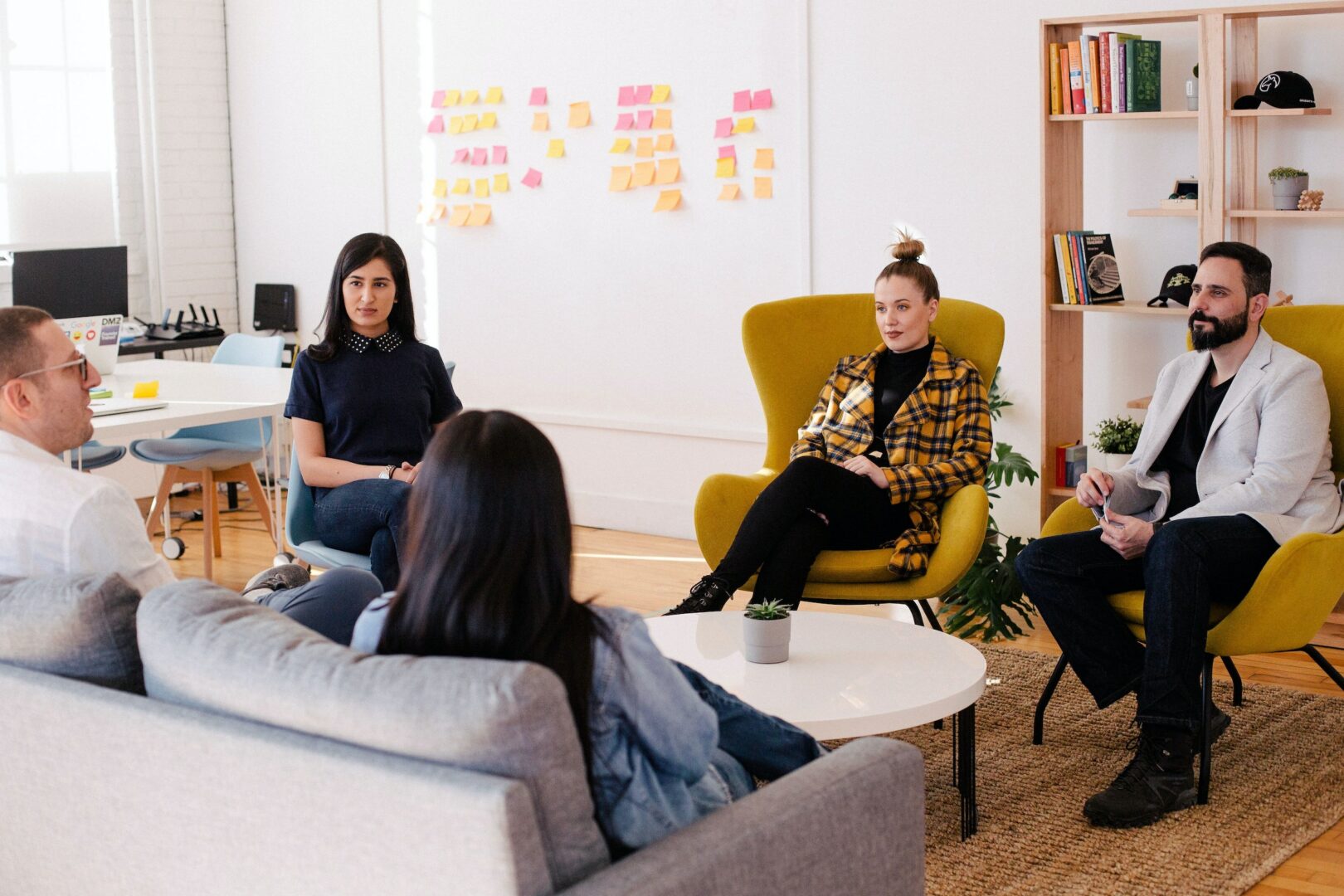
Controlled observation is a research method where researchers watch participants in a contained environment, such as a laboratory.
In a controlled study, the researcher pre-determines and controls the study variables and determines the location, the time, the participants, and the tools used to complete the study.
The participants involved in a controlled study are aware they are being observed, but are randomly assigned to different independent variable groups by the researcher.
Before the study, the researcher will often create a coding system to more easily and effectively analyze participant behavior. This coding method makes it easier for researchers to single out critical data, classify the data, analyze it, and turn it into statistics.
Traditionally, controlled observation takes place in a physical location where participants meet in person. However, as technology advances and as the world becomes more virtual, so must research methods and tools.
Thankfully, innovations in market research science offer convenient virtual tools that make it possible to conduct controlled observation research studies remotely. Let’s take a closer look at some ways to make this work.
How Controlled Observation Works in a Virtual Environment
Controlled market research is particularly well suited for conducting research in a virtual world. The reason? The tools make it even easier to set up your research variables, observe participants, capture data, and analyze responses, and to do it all remotely.
While there are numerous ways to use technology to conduct a controlled observation, here are some of the top ways researchers can use digital tools from Fuel Cycle to conduct controlled market research.
1. Conduct Live Controlled Studies With Hidden Observers
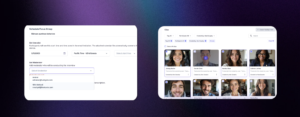
With the help of market research tools like Live from Fuel Cycle, it’s possible to set up a controlled study with a hidden observer.
This feature makes it possible for stakeholders to watch participants interact with products while remaining undetected by participants.
2. Leverage Screen Share for Prototype Interaction
Live from Fuel Cycle, coupled with the Marvel prototyping integration, helps researchers observe participants navigate a digital prototype and allows the researcher to ask for specific feedback in real-time.
3. Capture Authentic Emotional Responses Digitally
Self-reported data rarely captures accurate emotional responses. In fact, researcher Seth Stephens-Davidowitz reports that respondents will sometimes outright lie about their perceptions.
The good news is digital market research tools like Realeyes and Affectiva allow researchers to observe authentic emotional responses instead of having to take participants’ word for it.
The Digital Advantage: Controlled Observation at Scale
As customer behavior migrates across physical and digital environments, research must evolve accordingly. Modern platforms now make it possible to execute high-rigor controlled studies remotely—without compromising data quality or experimental integrity.
Fuel Cycle’s ecosystem allows teams to:
- Standardize study conditions virtually
- Capture behavioral, emotional, and experiential data in one platform
- Engage stakeholders in live observation
- Analyze insights faster with integrated tools and workflows
The result is a more agile, scalable approach to controlled observational research that aligns with the realities of today’s digital consumer landscape. To get personalized help, request a Fuel Cycle demo today.